
-
-
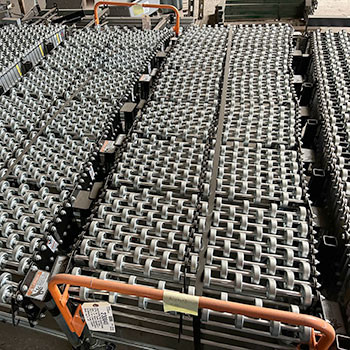
SKU: 230043
Used Gravity Flex Skate Wheel Conveyor 30"W x 276"L Extended - 230043
Out of Stock$1,698.00 -

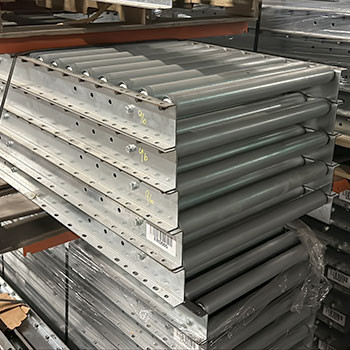
SKU: 230041
Used Gravity Flex Skate Wheel Conveyor 23 1/4"W x 300"L Extended - 230041
Out of Stock$1,498.00 -
Gravity Conveyor
Move product with gravity conveyor to create a cost-effective, non-powered flow system that lets boxes and totes roll between workstations with minimal effort.
Finding the Right Gravity Conveyors
Gravity conveyors move product either by gravity or by manual pushing. These systems cost less to install and operate and are often used for temporary conveyor lines, as many are adjustable, expandable, and portable. Examples of this style include skatewheel and roller conveyors.
Features:
- Lower cost
- Single elevation
- Shorter runs
- Lower volume
- Less weight (boxes under 200 lbs.)
Used for:
- Order fulfillment
- Product assembly
- Sorting
- Packing stations
- Loading/unloading trucks
- Transfering product form one point to another
Warehouse 1 offers the following types of gravity conveyors:
Gravity Skatewheel Conveyor: Several wheels attached to axles allow smooth bottomed containers to glide down the conveyor.
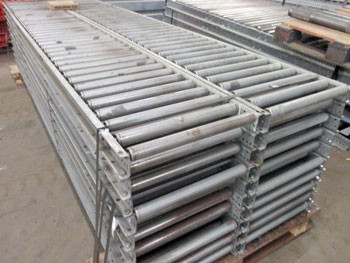
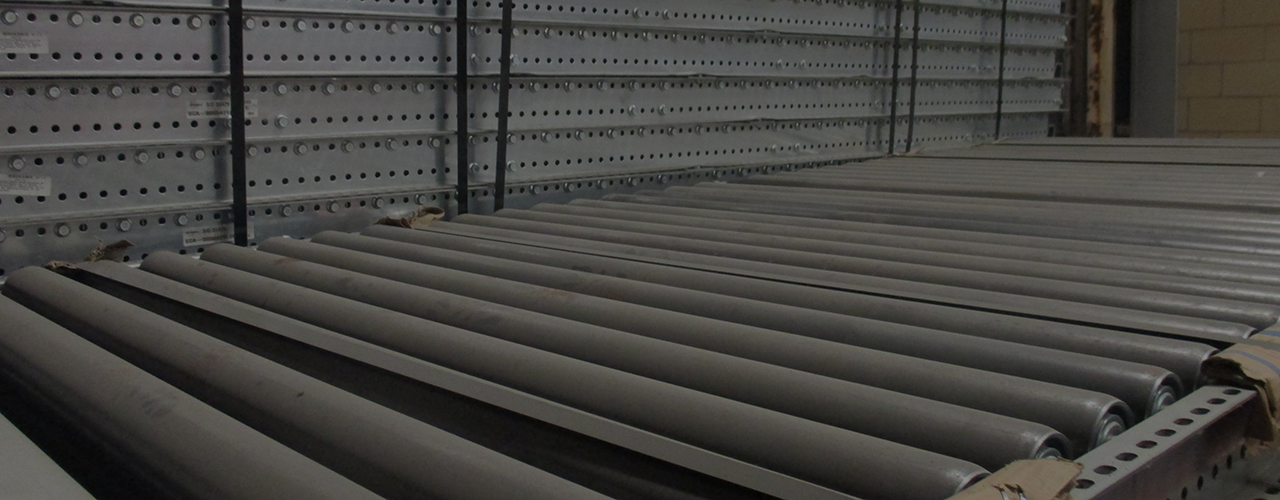
Gravity Roller Conveyor: A horizontal set of rollers used to transport open, uneven or rimmed bottom containers. Items on the conveyor should never be wider than the rollers themselves.
Contact Warehouse1 to help determine which system is right for you or to order today.
FAQs
A. A gravity style conveyor is great when moving product short distances; 10’ to 40’ runs are ideal. It is also much lower in cost than a power conveyor, which is another reason they're so popular.
A. Typical gravity conveyor widths range from 12” to 48” and the beds are generally sold in 5’ to 12’ sizes. The most popular widths are 18” and 24” to move boxes or totes, but some clients select up to 48” wide to move pallets of material.
A. The most popular roller centers are spaced at 3”. If you have long products, you may want to consider 4” to 5” centers to potentially reduce your cost. Gravity conveyors are also available with tighter spacing for moving small parts or boxes. The general rule of thumb is that you want a minimum of 3 rollers to be making contact with the material.