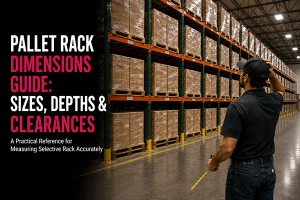

Warehouse Pallet Rack Inspection Checklist + Instructions
Feb 24th 2025
 Imagine this: a small dent in your pallet rack upright goes unnoticed. Weeks later, the rack gives way—causing thousands in product loss and putting worker safety in jeopardy. Regular inspections aren’t just best practice—they’re critical.
A lack of awareness can be a real liability, and not simply because compromised pallet racks have a reduced capacity and an increased potential for item damage. Damaged pallet racks are extremely dangerous, making falling inventory a distinct possibility as well as being susceptible to collapse.
A detailed pallet racking inspection plan can bridge the gap, providing valuable insight into rack conditions while also uncovering potential hazards or areas that need to be addressed. This guide walks you through a step-by-step pallet racking inspection checklist to help you spot risks early, stay compliant, and keep your operations running safely and smoothly.
Pre-Inspection Preparation
First things first: preparing before the inspection begins. This is important, as the details you uncover during the inspection will be a lot less meaningful if you don't begin the process with a baseline for what is acceptable.
At minimum, take some time to review the manufacturer's specifications. Essentials to examine include load capacity, rated capacity, and recommended load distribution. Next, gather critical tools, which will make it easier to assess damage. Levels and tape measures are essential, but flashlights can also be helpful. Don't forget a smartphone or camera to take pictures of damaged areas.
Visual Inspections: What to Look For
 Now that you have a checklist and are aware of critical specifications, you should be ready to embark on one of the most important aspects of your inspection: the visual overview. This is more in-depth than you might assume, so be prepared to take a close look at each part of every pallet rack.
Begin by looking for major signs of damage. These should be immediately visible. Dents and corrosion, in particular, will quickly attract attention. Consider the pallets themselves; how are loads distributed? Do they appear overloaded or misplaced? Don't forget about sprinkler systems and other safety essentials.
How to Inspect Specific Areas of Your Pallet Rack
Some pallet rack issues will be immediately obvious, while others might not seem worrisome until you take a closer look. Hidden problems can be just as dangerous so it is important to examine each area carefully.
Be sure to address these essentials:
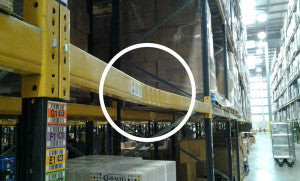
 Upright frames and beams. Vertical columns known as upright frames should be straight and not show signs of impact or rust. Keep an eye out for dents or deflections.
- Connectors, safety clips, and safety locks. Securing the beams to the frame, connectors, clips, and safety locks play an important role in facilitating pallet rack stability. Verify these are in place and in excellent condition.
 Footplates. Because footplates play a fundamental role in keeping uprights stable, they must be inspected carefully to ensure the anchors are secure. Dislodgement should be pinpointed and addressed immediately.
- Anchors. Check to verify that anchors are properly installed, fully seated, and secure within the concrete. Look for missing anchors, loose bolts, or damaged hardware that could reduce the rack’s ability to resist movement. If any anchors appear compromised, they should be tightened, repaired, or replaced promptly to maintain the structural integrity of the system.
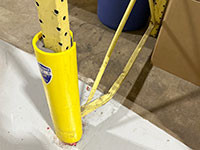 Column spacers. Delivering extra stability, column spacers can take many forms but are always responsible for maintaining consistent spacing between rows of pallet racking. These components help prevent racks from shifting or leaning toward one another and contribute to the overall structural alignment of the system. During inspections, verify that column spacers are present, properly installed, and securely fastened to both rack frames. Look for signs of bending, loosened hardware, or missing fasteners that could compromise their effectiveness.
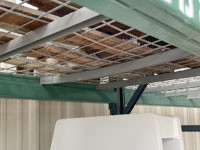 Pallet supports and wire decking. As a critical accessory for securing non-palletized items, wire decking can be easy to miss or disregard during inspections — but that could be a huge misstep. Bent and broken wires are among the most common issues to come across, while pallet supports may be misplaced and therefore, less capable of distributing weight properly.
Assessing Rack Safety Features
In addition to maintaining optimal conditions for key pallet rack structures and implements, it's important to leverage safety systems to avoid everything from forklift collisions to general dents.
Like the pallet racks themselves, these safety features can be vulnerable to damage and may need to be replaced occasionally. Regular inspections should reveal whether safety solutions are truly capable of protecting both pallet racks and warehouse workers.
- Safety barriers. Capable of absorbing impact, safety barriers surround pallet racking and may be attached to the pallet racks' corners or sides. During inspections, determine whether these are sturdy enough to do their job: protect the pallet racks.
- Column protectors. Designed to keep dents to a minimum, column protectors are worth implementing in warehouses or distribution centers with significant forklift traffic. These can be vulnerable to damage and may call for regular replacements.
- Guard rails. Offering valuable physical barriers, guard rails can limit the potential for forklift impact and other common sources of damage. Confirm that these remain stable and capable of absorbing impact.
How to Deal With Identified Issues
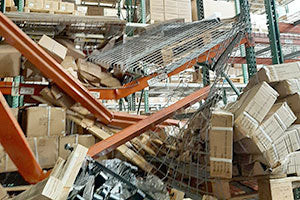 If any issues are uncovered during an in-depth pallet rack inspection, it is important to address these promptly to limit the potential for further damage. Responses to detected problems will vary based on the severity of the concern and which areas are affected.
What to Do When Damage Is Found:
- Remove all loads from the affected racking immediately.
- Isolate the area and keep personnel at a safe distance.
- Document the damage with photos and notes.
- Contact a specialist to assess repair vs. replacement options.
- Investigate the cause, such as overloading or improper forklift use, to prevent future issues.
Overloading, in particular, must be avoided. Overloaded pallets place more of a physical burden on the racks than they are equipped to handle. Proper load distribution should limit the risks. This begins with a thorough understanding of load capacities but should also involve even distribution across the pallet.
Legal and Regulatory Considerations
 Many regulatory concerns underscore the pallet racking inspection process. Occupational Safety and Health Administration (OSHA) guidelines, for example, reference the need to generally keep workplaces free of hazards but specifically, delve into material handling and floor/wall openings or holes via the Code of Federal Regulations Title 29. OSHA standards may also play into training initiatives relevant to environments with pallet racking, particularly for forklift operators.
Regular inspections help organizations demonstrate that storage systems are maintained in a safe condition and are not creating potential hazards for employees. Maintaining documentation of inspections and corrective actions can also support compliance efforts during safety audits or regulatory reviews.
Implement a Regular Pallet Rack Inspection Routine
Comprehensive pallet rack inspections can ensure pallet stability and general warehouse safety. Aim to inspect pallet rack on a quarterly basis (at minimum), but be willing to shift to monthly inspections if there are consistent signs of damage. Don't be afraid to get experts involved to keep your pallet racking in excellent shape.
If you need help with pallet rack repairs or installing new warehouse racking systems, consider working with Warehouse1. We will work closely with you to determine which pallet racking solutions are best suited to your unique needs — and which will help you achieve ambitious business objectives while keeping warehouse workers safe. Reach out today to get started.